
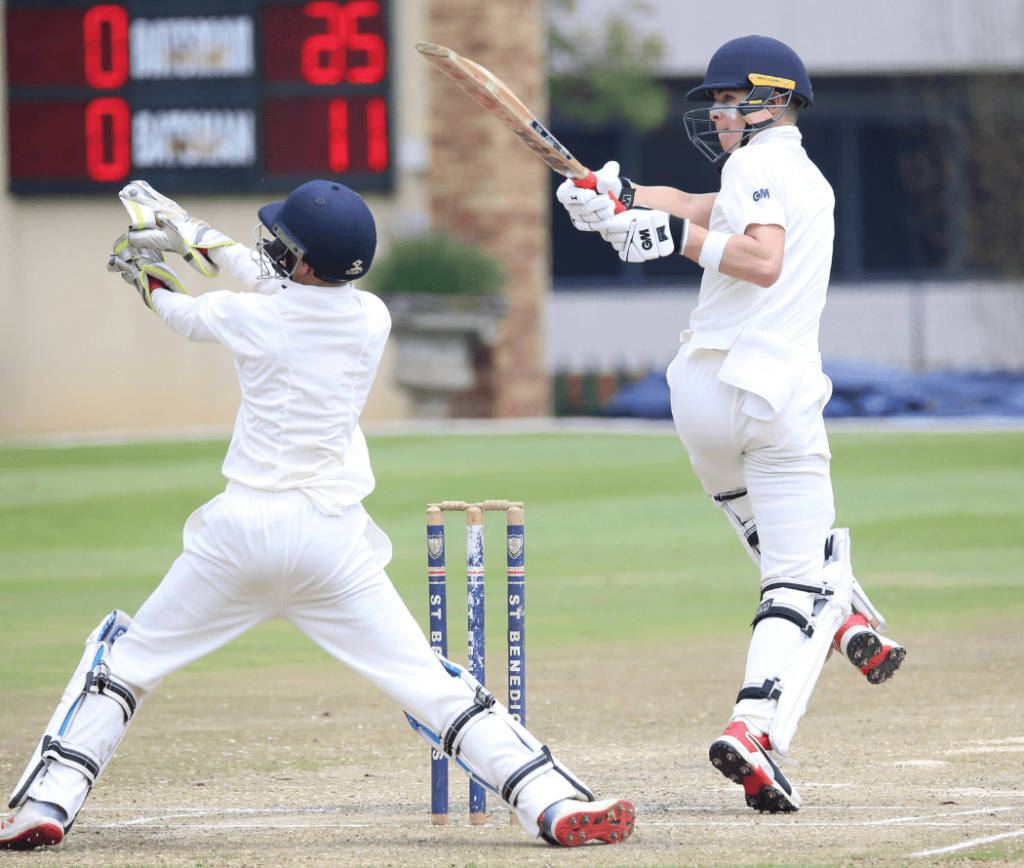
Compare T20, ODI, and Test cricket formats with SixerLive. Learn rules, match duration, and key differences in this complete guide.
Introduction:
Cricket is one of the most loved sports in the world, especially in countries like India. But if you’re new to the game, one question can be confusing:
What’s the difference between T20, ODI, and Test cricket?
At first glance, all formats may look similar-same players, same bat and ball-but the reality is completely different. Each format has its own rules, pace, strategy, and fan experience.
In this complete guide, we’ll break down the T20 vs ODI vs Test cricket comparison in a simple and practical way so you can understand everything like a true cricket fan.
Understanding the Three Formats of Cricket
Modern cricket is divided into three major formats:
- T20 (Twenty20 Cricket) – Short and fast
- ODI (One Day International) – Balanced and strategic
- Test Cricket – Long and traditional
Each format tests different skills and offers a unique viewing experience.
What is T20 Cricket?
T20 cricket is the most modern and exciting format of the game.
Key Features:
- Match duration: 3-4 hours
- Overs: 20 per team
- Gameplay: Fast-paced and aggressive
Why is T20 so Popular?
T20 cricket has become extremely popular because:
- Matches finish quickly
- High entertainment value
- Big hitting and fast scoring
Leagues like IPL have made T20 a global phenomenon.
When you follow matches on SixerLive, you’ll notice how quickly the match changes in T20-one overs can completely shift the momentum.
What is ODI Cricket?
ODI (One Day International) is a longer format than T20 but shorter than Test cricket.
Key Features:
- Match duration: 7-8 hours
- Overs: 50 per team
- Gameplay: Balanced approach
Why is ODI Important?
ODI cricket is known for:
- Strategic gameplay
- Balanced batting and bowling
- Iconic tournaments like the Cricket World Cup
Unlike T20, players have time to build innings while still maintaining a good scoring rate.
What is Test Cricket?
Test cricket is the oldest and most traditional format.
Key Features:
- Duration: Up to 5 days
- Overs: No fixed limit
- Gameplay: Technical and patient
Why is Test Cricket Special?
Test cricket is often called the “real test” of cricket skills because it checks:
- Technique
- Endurance
- Mental strength
It’s slower but much deeper in strategy.
Difference in Batting Approach
Batting style changes completely depending on the format of cricket. Each format demands a different mindset, technique, and level of risk-taking.
T20 Batting
In T20 cricket, batting is all about maximum impact in minimum time.
- Players attack from the very first ball because there are only 20 overs
- Focus is on hitting boundaries (4s and 6s) rather than rotating strike
- A high strike rate is more important than staying long at the crease
- Batters often play innovative shots like scoops, reverse sweeps, and switch hits
In simple terms, T20 batting is aggressive, fearless, and entertainment-driven.
ODI Batting
ODI batting is more balanced and strategic compared to T20.
- Players usually start carefully and build their innings
- Strike rotation (singles and doubles) plays a big role
- Batters accelerate during middle and death overs
- Partnerships are crucial for building a strong total
ODI batting is about timing your innings-knowing when to defend and when to attack.
Test Batting
Test cricket demands the highest level of skill, patience, and discipline.
- Batters focus on defensive technique and shot selection
- Leaving balls outside off-stump is a key skill
- Long partnerships are essential to control the game
- Survival is often more important than scoring quickly
Test batting is a true test of a player’s technique and mental strength.
Difference in Bowling Strategy
Just like batting, bowling strategies also change across formats.
T20 Bowling
T20 bowling is all about limiting runs and handling pressure.
- Bowlers use yorkers and slower balls frequently
- Variation is key-pace changes, cutters, and bouncers
- Goal is to prevent boundaries rather than just take wickets
- Death overs require extreme precision
T20 bowling is more about control and creativity than traditional line and length.
ODI Bowling
ODI bowling requires a mix of attack and control.
- Bowlers maintain a consistent line and length
- Middle overs are used to build pressure
- Wickets are important to slow down scoring
- Field placements play a major role
ODI bowling is about maintaining balance-neither too defensive nor too aggressive.
Test Bowling
Test bowling is the most strategic and patient format.
- Bowlers focus on consistency over long spells
- Swing and spin are major weapons
- Setting up a batter over multiple deliveries is common
- Taking wickets is always the main objective
Test bowling is about outsmarting the batter over time.
Fielding Differences
Fielding is important in all formats, but the intensity and approach vary significantly.
- T20 → Extremely fast, athletic, and high-pressure fielding. Every run saved matters.
- ODI → Balanced fielding with focus on stopping boundaries and saving singles.
- Test → More strategic positioning with emphasis on catching opportunities rather than speed.
In T20, one good fielding effort can change the match instantly, while in Tests, patience and positioning matter more.
Match Strategy Comparison
Each format has a completely different match strategy, which teams plan carefully.
T20 Strategy
T20 strategy is fast and aggressive.
- Teams take advantage of powerplay overs to score quickly
- Middle overs are used to maintain momentum
- Death overs (last 5 overs) are crucial for big hitting
- Quick decision-making is key
T20 matches often change in just a few overs.
ODI Strategy
ODI strategy is more structured and balanced.
- Teams aim for a strong start without losing early wickets
- Middle overs are used to build partnerships
- Final overs are used for acceleration and big scoring
- Bowling strategies focus on controlling the run rate
ODI cricket is about planning phases of the game smartly.
Test Strategy
Test cricket is deeply strategic and slow-paced.
- Batting teams aim to play long sessions and build big totals
- Bowlers focus on creating pressure over time
- Field placements are adjusted constantly
- Teams think long-term rather than short-term
Test strategy is like a chess game-every move matters.
Which Format is Most Popular?
Currently, T20 cricket is the most popular format worldwide.
Why T20 is Leading:
- Short duration fits modern lifestyle
- High entertainment value
- Perfect for mobile and digital audiences
- Popular leagues like IPL boost engagement
However, Other Formats Still Matter:
- ODI cricket remains very popular during major tournaments like the World Cup
- Test cricket is still highly respected among traditional fans and experts
Each format has its own audience and importance in the cricket world.
Real Match Experience Across Formats
If you regularly track matches on SixerLive, you’ll notice clear differences:
T20 Matches:
- Fast scoring
- Frequent boundaries
- Quick results
ODI Matches:
- Momentum shifts
- Strategic phases
- Balanced gameplay
Test Matches:
- Slow start
- Intense middle sessions
- Dramatic finishes
Why Players Specialize in Formats
Not all players perform equally in every format.
Examples:
- T20 → Power hitters
- ODI → All-round performers
- Test → Technical batsmen
Each format requires different skills.
Advantages of Each Format
T20 Cricket
- Quick entertainment
- Easy to understand
- Perfect for beginners
ODI Cricket
- Balanced format
- Strategic depth
- Ideal for full-day cricket
Test Cricket
- Pure cricket skills
- Deep strategy
- True competition
Challenges in Each Format
T20 Challenges
- High pressure
- Less time to recover
ODI Challenges
- Maintaining consistency
- Managing long innings
Test Challenges
- Physical and mental endurance
- Long duration
Common Beginner Confusion
Many new fans get confused about:
Overs difference
Match timing
Format rules
But once you understand the basics, it becomes very simple.
Which Format Should You Choose?
It depends on your preference:
- Short time → T20
- Balanced experience → ODI
- Deep cricket → Test
Future of Cricket Formats
Cricket is evolving:
- T20 leagues are growing rapidly
- ODI remains important for ICC events
- Test cricket continues for tradition
All formats will stay relevant.
Tips to Understand Cricket Better
Watch different formats
Compare match pace
Observe player roles
Use platforms like SixerLive for live tracking
Conclusion
The comparison between T20, ODI, and Test cricket shows that each format has its own identity.
- T20 = Entertainment
- ODI = Balance
- Test = Tradition
Understanding these formats will not only improve your cricket knowledge but also make watching matches more enjoyable.
With tools like SixerLive, you can easily follow all formats, track live scores, and understand match flow without confusion.
Frequently Asked Questions (FAQs)
1. What is the main difference between T20, ODI, and Test cricket?
The main difference lies in overs and match duration. T20 is played with 20 overs per side, ODI with 50 overs, and Test cricket has no fixed overs and can last up to 5 days.
2. Which cricket format is best for beginners?
T20 cricket is best for beginners because it is short, fast-paced, and easy to understand. It focuses on big hits and quick results, making it more engaging.
3. Why is Test cricket considered the toughest format?
Test cricket is considered the toughest because it requires strong technique, patience, and mental endurance over multiple days. Players must perform consistently for long periods.
4. Is ODI cricket still popular today?
Yes, ODI cricket is still very popular, especially during ICC events like the Cricket World Cup. It offers a balance between excitement and strategy.
5. Can players perform equally well in all formats?
Not always. Different formats require different skills, so some players specialize in T20, while others perform better in ODI or Test cricket.