
Introduction — why this matters
Organizing a cricket tournament is a multifaceted task that requires meticulous planning and execution. Whether you are a seasoned event organizer or a first-timer, understanding how to schedule a cricket tournament effectively is crucial for its success. A well-structured cricket tournament not only ensures fair play and excitement but also enhances the overall experience for players, spectators, and sponsors. With the global popularity of cricket, tournaments are a fantastic opportunity to bring communities together, promote sportsmanship, and even raise funds for noble causes. This guide will walk you through the essential steps and considerations needed to schedule a cricket tournament.
Understanding Tournament Formats
The foundation of any cricket tournament lies in its format. The format you choose will significantly influence the tournament’s schedule, duration, and management complexity. Here are some popular tournament formats:
- Round Robin: Each team plays against every other team. This format is ideal for ensuring that each team has ample play time, though it requires more time and resources.
- Knockout: Teams compete in elimination matches, with the loser being immediately out of the tournament. This format is quicker but can be less forgiving to teams.
- Double Elimination: Teams get a second chance after their first loss. This format combines the benefits of Round Robin and Knockout by allowing teams to recover from an initial setback.
- League-cum-Knockout: Teams are divided into groups, and the top teams from each group enter a knockout round. This is a balanced format that ensures sufficient matches while maintaining competitive intensity.
Choosing the right format depends on factors such as the number of teams, available time, and resources. For instance, a corporate cricket tournament with limited days might benefit from a knockout format, while a community event over several weekends might suit a round-robin style.
Creating a Tournament Schedule
With the format decided, the next step is crafting a comprehensive cricket event schedule. A well-planned schedule ensures smooth operations and maximizes enjoyment. Here’s how you can create an effective schedule:
- Determine the Duration: Consider the number of teams and matches to estimate how many days the tournament will last. Include buffer days for unforeseen delays due to weather or other factors.
- Match Timetable: Draft a detailed cricket match timetable specifying dates, times, and venues for each match. Ensure enough rest between matches for teams, especially in formats like round robin.
- Venue Allocation: Assign venues based on match importance, expected audience size, and logistical convenience. Ensure that the facilities can handle the crowd and have necessary amenities.
- Consider Time Zones: If teams are traveling from different regions, be mindful of time zones to avoid scheduling issues and fatigue.
Utilizing tournament setup tips from experienced organizers can help you avoid common pitfalls. For example, starting matches early in the day can help avoid delays and give teams more recovery time.
Managing Teams and Venues
Effective management of teams and venues is pivotal to the success of a cricket tournament. Here are some strategies to ensure smooth operations:
- Team Coordination: Communicate clearly with team managers regarding schedules, rules, and any changes. Use digital platforms like email or dedicated apps to streamline communication.
- Venue Management: Ensure that each venue is equipped with the necessary cricketing gear, medical facilities, and spectator amenities. Conduct an inspection before the tournament to address any issues.
- Volunteer and Staff Management: Assign roles to volunteers and staff, such as scorekeepers, umpires, and security personnel. Proper training and briefing sessions are essential for efficient functioning.
Real-world example: The ICC Cricket World Cup involves a large-scale coordination effort, with matches played across multiple cities and venues, requiring meticulous planning and execution to accommodate international teams and audiences.
Promoting Your Tournament
Promotion plays a critical role in the success of a cricket tournament by attracting participants, sponsors, and spectators. Here are effective strategies to market your event:
- Social Media Campaigns: Utilize platforms like Facebook, Instagram, and Twitter to create buzz around your tournament. Share engaging content such as team introductions, player interviews, and match highlights.
- Local Community Engagement: Partner with local businesses and community centers to increase visibility. Distribute flyers, posters, and engage in word-of-mouth promotions.
- Media Partnerships: Collaborate with local newspapers, radio stations, and sports networks to cover the tournament. Offering exclusive content can be an attractive incentive for media partners.
- Sponsorship Opportunities: Approach potential sponsors with tailored proposals highlighting the benefits of associating with your event. Sponsorships can provide financial support and enhance credibility.
Effective promotion not only boosts attendance but also enhances the tournament’s profile, making it easier to attract participants and sponsors for future events.
Frequently Asked Questions
What are the different formats for cricket tournaments?
The primary formats for cricket tournaments include Round Robin, where each team plays all others; Knockout, where teams are eliminated after a loss; Double Elimination, giving teams a second chance; and League-cum-Knockout, combining group stages with knockout rounds. Each format has its own advantages and is chosen based on factors like the number of teams and available time.
How do I choose the right venue for a cricket tournament?
Choosing the right venue involves considering factors such as location accessibility, audience capacity, available amenities, and the quality of the pitch. It’s important to visit potential venues to assess their suitability and ensure they meet the specific needs of your tournament, including parking, seating, and safety measures.
What tools can help in scheduling a cricket tournament?
Several digital tools can assist in scheduling a cricket tournament. Online platforms like Tournament Scheduler Pro and CricHQ offer features for creating match schedules, tracking scores, and managing teams. Additionally, spreadsheet software like Microsoft Excel or Google Sheets can be effective for organizing and visualizing schedules.
How can I promote my cricket tournament effectively?
Effective promotion involves a mix of digital and traditional marketing strategies. Use social media to engage with potential participants and spectators, partner with local businesses and media for broader reach, and offer incentives such as early bird discounts or exclusive content to create excitement around your event.
What are common challenges in organizing a cricket tournament?
Common challenges include coordinating schedules, managing team logistics, handling weather-related disruptions, and ensuring adequate resources and facilities are available. Effective planning, clear communication, and contingency strategies are essential to overcoming these obstacles and ensuring a successful tournament.
Conclusion
Scheduling a cricket tournament is a complex yet rewarding endeavor that requires strategic planning and coordination. From understanding tournament formats to managing teams and promoting the event, each step is crucial for a seamless experience. By leveraging the right tools and strategies, you can create an enjoyable and memorable tournament for all participants and spectators. Ready to bring your cricket tournament to life? Start planning today and watch your event unfold with precision and excitement.
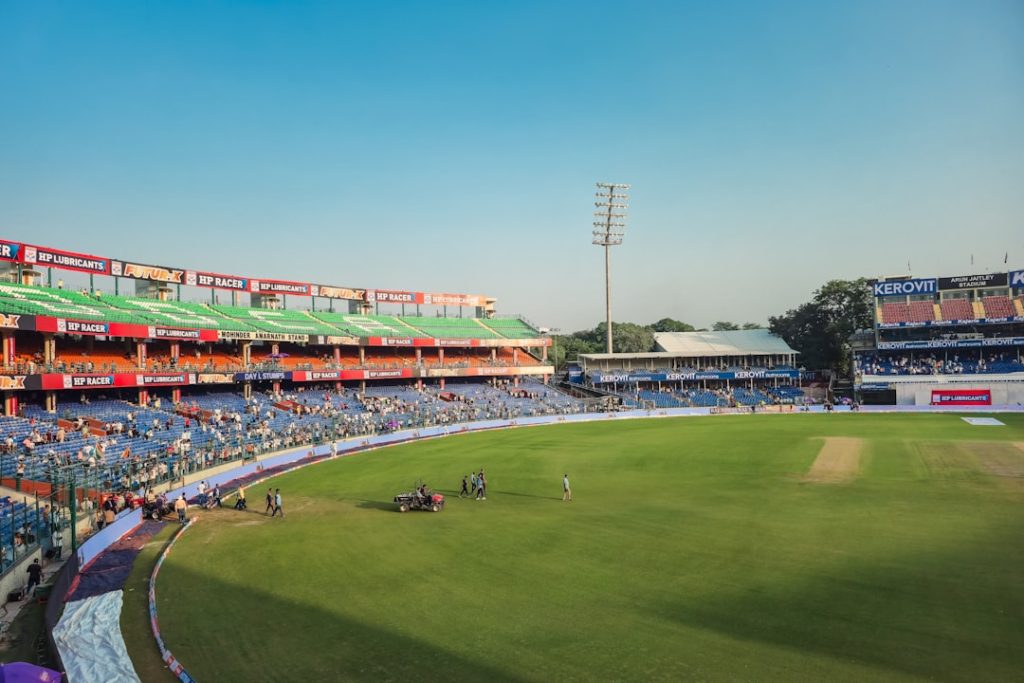
📷 Photo by Zoshua Colah on Unsplash